







I’ll always come back for you, kiddo…
The Splinter Cell universe has changed quite a bit over the last decade, hasn’t it? The last game in the franchise that I bought was Chaos Theory for the PS2, way back in 2005. Since then, save for some limited acquaintance with Conviction here and there, the chronicles of Sam Fisher have snuck under my radar with a fitting level of stealth ever since. This is mostly down to circumstance than a lack of interest in the Tom Clancy-inspired games, but there’s no better time than with the release of the sixth instalment of the series to dive right back in.
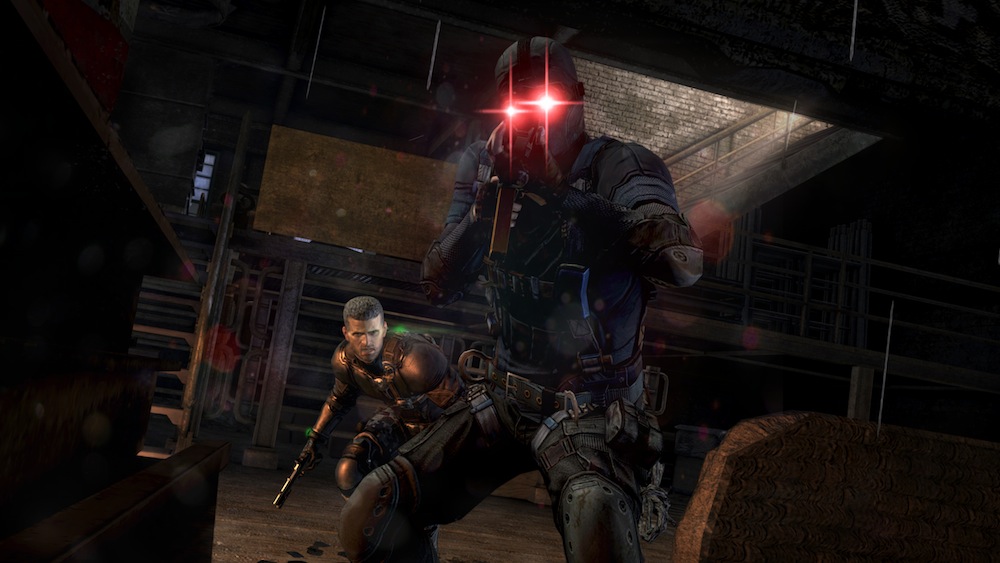
The new game is, of course, Splinter Cell: Blacklist. One of the most immediately noticeable changes is the rug being ripped out from underneath the Third Echelon outfit, making way for a Fisher-led Fourth Echelon to rise in its place. Under slightly different circumstances, it would seem, to those that saw my local videogame store rebrand from Third to Fourth Place a couple of years back; a decision that I’m assuming probably didn’t come from the desk of the President. Back in the Splinter Cell world, however, and for all that has changed in the series from game to game, it’s likely that you know the drill by now. Sam Fisher must, once again, play hide and seek with various hostile targets and either avoid them, or systematically dismantle each one. Most, it seems, would take the “systematic dismantling” approach. I am no different.
BLACKLIST SITS SOMEWHERE BETWEEN SPLINTER CELL TITLES OF OLD AND THE REVAMPED GAMEPLAY OF CONVICTION, TOUCHING UP WHAT’S ALREADY THERE
There are, of course, the occasional minor gripes that flare up as you venture through the single player game. It’s easy to question why pushing past civilians is beyond Fisher’s quite extensive abilities, to name but one, when other Ubisoft franchises such as Assassin’s Creed adopt this quite readily. Perhaps civilians aren’t frequent enough here to warrant the inclusion, but in a game that seems to be doing whatever it can to improve the flow of combat situations, it’s interesting to see that this doesn’t stretch to removing the invisible force field that everyday people seem to possess in the world of Fourth Echelon.
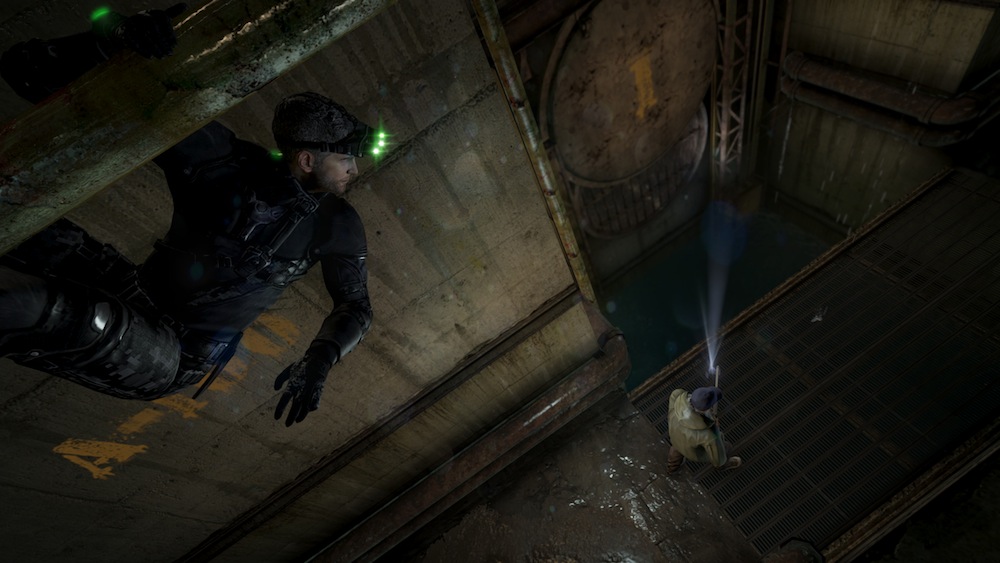
Maybe I expect too much? After all, I’m playing the latest game in a franchise that has clearly come along in leaps and bounds since its 2002 debut, and despite the progress I’m dwelling on perhaps the most trivial gameplay omission imaginable. Maybe I’ve been spoilt by other such titles in recent years, but the fact that such a minor gripe can temporarily distract me from a game that clearly has much to praise suggests that there is still some smoothing out to be done for Splinter Cell‘s future releases hit their maximum potential.
ONE OF 2013’s MOST UNDERRATED ACTS OF STORYTELLING, INTERTWINING PLOT AND SUBPLOT TO SUBLIME EFFECT
ONE OF 2013’s MOST UNDERRATED ACTS OF STORYTELLING, INTERTWINING PLOT AND SUBPLOT TO SUBLIME EFFECT
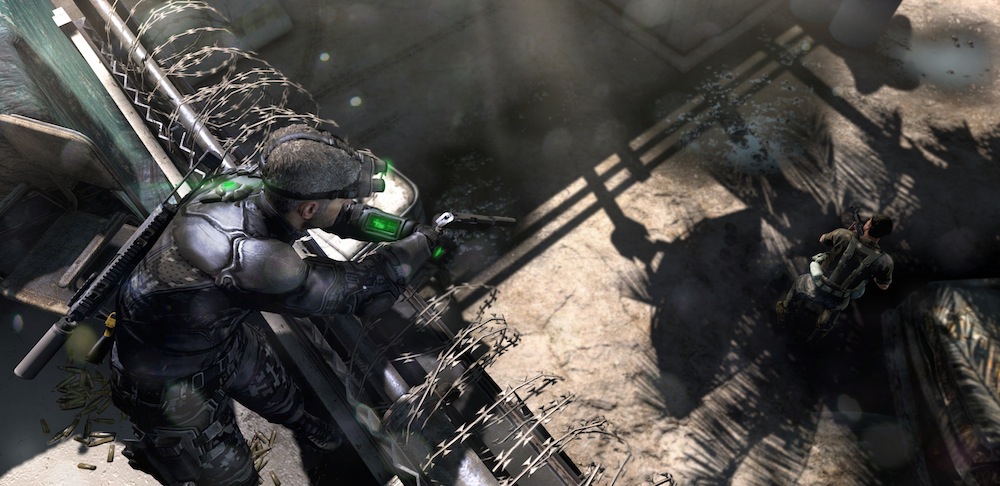
While Splinter Cell‘s roots are that of a solidly single player experience, the game has branched out since its humble beginnings and adopted the multiplayer modes and side missions that it’s needed to survive against the weight of AAA opposition. In Blacklist, we have been given enjoyable, but somewhat predictable supplements to the campaign mode, with co-operative missions as well as wave missions, requiring you to take out at least five waves of engineers before capturing a High Value Target to end the mission. A welcome return, meanwhile, is the online Spies vs. Mercenaries mode that had been dropped from Conviction in favour of more co-op game modes. Blacklist has then, as with its single player, achieved a healthy balance between the franchise’s new generation titles and the Splinter Cell of old. The multiplayer gameplay, with the added options of solo wave missions and collectible extras such as Dead Drops and High Value Targets in each campaign mission, add some element of post-game longevity which, while nothing groundbreaking, is the sort of thing that has become vital for big-name series these days. The spotlight of Splinter Cell will always be on the strength of its story; it’s this that has arguably carried it through its first decade and it’s this that is likely to carry it through the next one, whatever platforms and other media it crosses over to. The depth of gameplay is a refreshing bit on the side, like dipping sauce, or a mistress. It’s certainly not the sort of thing you turn your nose up at when playing through any game, that’s for sure.
CONCLUSION
Splinter Cell has indeed, then, changed a lot since Sam Fisher first debuted. Blacklist, rather than resting too close to its series roots, sits somewhere between the Splinter Cell of old and typical Ghost Recon in terms of its gameplay experience. But while Fisher’s story is one that has been building and evolving for almost a decade now, it is the strength of the franchise’s new breed and Ubisoft’s readiness to evolve which should guarantee Fourth Echelon a secure future for a long time to come. This is a series likely to continue to grow, and see even bigger and more ambitious plots with its next instalments. Sometimes, Splinter Cell has, appropriately to its genre, sat in the shadows of grander AAA titles since its inception. But, almost as if the evolution of the series into less of a pureblood stealth-action title was some kind of cue, the Tom Clancy brainchild has burst through as a real contender to wrestle the spotlight from its competition. Where the Splinter Cell franchise sits in five or ten years from now remains to be seen, but 2013 has it looking pretty damn healthy, and that outlook doesn’t seem set to change any time soon.
THE GOOD
- Strong and engaging characters
- Simple yet effective gameplay additions increase single player longevity
- Andriy Kobin. Nuff said.
THE BAD
- The Paladin feels a little too much like Mass Effect‘s Normandy
- Consistent feel that Ubisoft should have smoothed out bumps, but they were overlooked
- Guantanamo Bay is a pain in every arse
THE UGLY
- Dog punching. Yet another dev for PETA’s lawyers to get on speed dial.
SCORE

INFORMATION
Splinter Cell: Blacklist is available now on Xbox 360 (reviewed), PS3, Wii U and PC.
Many thanks to Ubisoft for kindly providing a review copy.

What You’ve Been Saying